
Los Angeles residents face a surge in robocalls from telemarketers and fraudsters, evading traditional blocking methods. Advanced app technologies, like TrueCall and Hiya, using machine learning identify and block automated calls. Combining app usage with Do Not Call law firms Los Angeles offers legal protection against unwanted calls. Key strategies for residents include: registering on the National Do Not Call Registry, limiting contact info sharing, reviewing privacy settings, and using dynamic call-blocking apps with user feedback integration. These measures empower Angelenos to reclaim control over their communication channels.
In today's digital age, robocalls have become a persistent nuisance across the nation, including Los Angeles. With an ever-increasing number of unwanted calls from telemarketers and scammers targeting residents, finding effective solutions is more critical than ever. The sheer volume and sophistication of these calls make it challenging for individuals to discern legitimate communications from malicious attempts. This article delves into the world of mobile app solutions designed to combat this growing issue, specifically focusing on the best tools to block robocalls in the Los Angeles area. By exploring top-rated options, we aim to empower Angelenos with knowledge and resources to reclaim control over their communication channels, ensuring peace of mind amidst the sea of unwanted calls, including those from law firms seeking to Do Not Call registrations.
Understanding Robocalls and Their Impact in Los Angeles
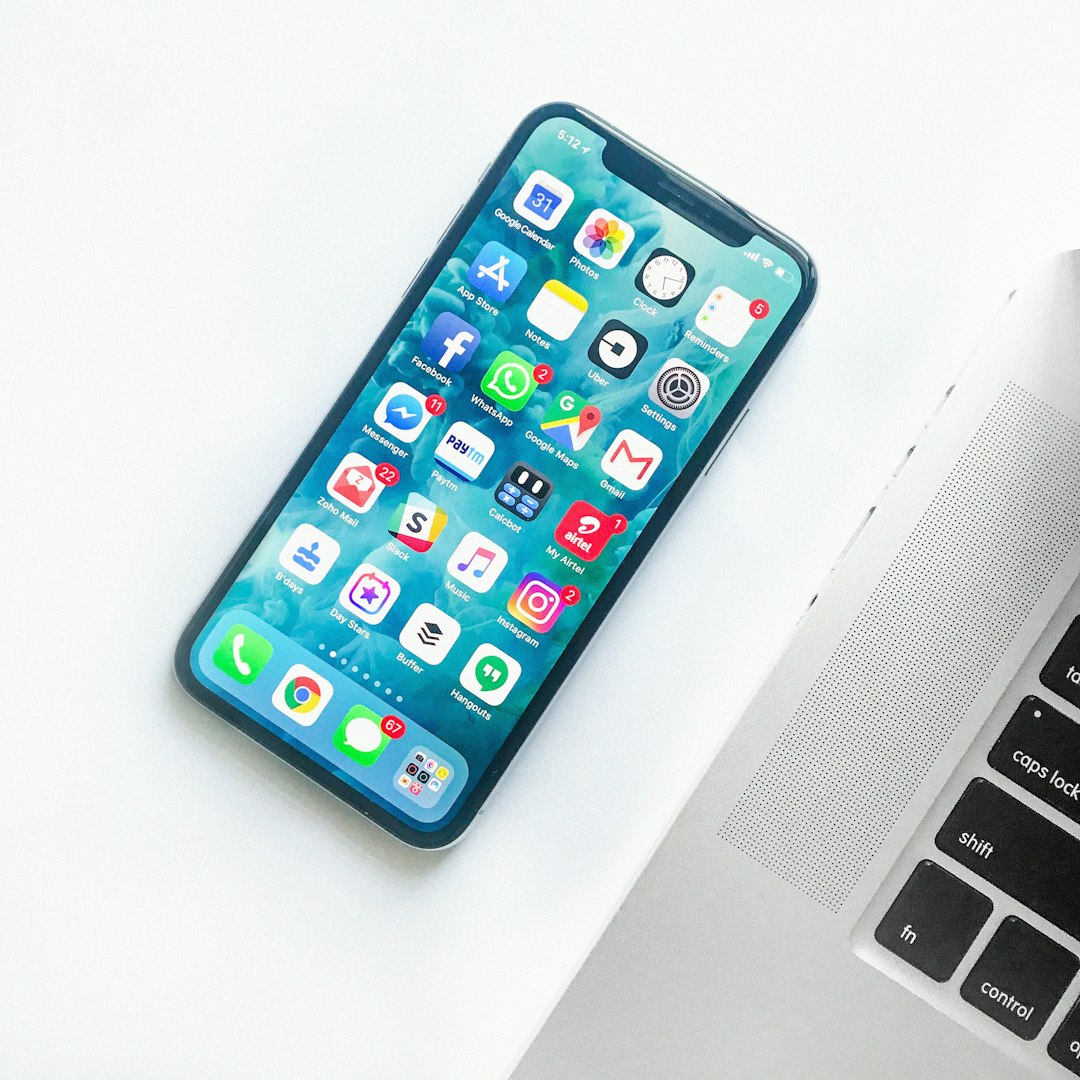
Robocalls have become a pervasive and often annoying aspect of modern life, especially in densely populated areas like Los Angeles. These automated phone calls, typically originating from telemarketing companies or call centers, are designed to blanket large numbers of people with pre-recorded messages. While some robocalls offer valuable services, such as updates from local governments, many are unsolicited and can be particularly intrusive for residents. The sheer volume of these calls has led to widespread frustration, with a significant number of Los Angeles area residents citing them as one of the most annoying modern inconveniences.
The impact of robocalls extends beyond mere annoyance. They contribute to what is often referred to as "call fatigue," where individuals become desensitized or even dismissive of legitimate calls from important services. This can lead to missed connections between businesses and potential customers, as well as difficulties for essential organizations in reaching their audiences, such as healthcare providers and local emergency services. In Los Angeles, where a diverse population relies on various communication channels, the effect is amplified. According to recent studies, California, including Los Angeles, consistently ranks among states with the highest rates of robocalls received by residents, underscoring the pressing need for effective solutions.
One significant aspect to note is the rise of sophisticated robocallers who employ advanced technologies to bypass traditional blocking methods. Many Do Not Call laws, including those in California, specifically target telemarketers, but new tactics and rapid technological advancements have made these laws less effective against modern robocallers. For instance, some call centers use voice over IP (VoIP) services that allow them to change numbers frequently, making it challenging for blocking lists to keep pace. This evolution of robocalling techniques requires a corresponding evolution in countermeasures, necessitating the adoption of advanced app technologies designed to combat these persistent intrusions.
Legal Rights: Do Not Call Law Firms Los Angeles
In Los Angeles, as across the nation, consumers are increasingly facing a deluge of unwanted robocalls, with many falling victim to fraudulent schemes and marketing tactics. While various mobile apps promise protection against these calls, one effective tool often overlooked is the Do Not Call Law Firms Los Angeles initiative. This legal right, established to protect residents from intrusive telemarketing practices, offers a robust defense against robocalls.
The Do Not Call registry, maintained by the Federal Trade Commission (FTC), allows individuals to opt-out of receiving telemarketing calls. In California, including Los Angeles, compliance with these regulations is mandatory for businesses engaging in interstate telemarketing. Failure to adhere can result in significant penalties, underscoring the importance of consumer protection. Notably, many robocall scams target residents with false promises or threats, preying on their lack of awareness about these rights.
To exercise your Do Not Call rights effectively, start by registering your phone number with the national Do Not Call registry through the FTC website. Additionally, consider downloading apps that specialize in blocking local and spam calls, many of which incorporate features to automatically register your number with Los Angeles-specific Do Not Call lists. By combining technological solutions with an understanding of your legal rights, Angelenos can significantly reduce the volume of unwanted calls they receive, fostering a safer and less disruptive digital environment.
Top Mobile Apps for Robocall Blocking: Features & Reviews

The Los Angeles area, a bustling metropolis known for its diverse culture and vibrant economy, unfortunately also faces a persistent issue: robocalls. With advanced technology, telemarketers and fraudsters have found new ways to inundate residents with unwanted calls, often posing as legitimate businesses or government agencies. This has led many Angelenos to seek effective solutions to block these nuisance calls, especially from Do Not Call law firms Los Angeles that refuse to abide by traditional blocking methods.
Among the myriad of mobile apps available in the App Store and Google Play, a few stand out for their robust features designed to combat robocalls. These apps leverage advanced machine learning algorithms to identify and block not only automated calls but also sophisticated voice over IP (VoIP) technologies used by unscrupulous callers. For instance, TrueCall, one of the top-rated apps, offers a comprehensive call-blocking system that learns from user feedback, constantly updating its database of known scammer numbers. It also integrates with popular communication platforms, ensuring a seamless experience.
In addition to blocking capabilities, some apps provide valuable features like call identification and advanced filtering options. Hiya, another highly regarded app, offers detailed call information, allowing users to see the name and reputation of the caller before answering. This feature is particularly useful in identifying potential robocalls or scam attempts. Moreover, Hiya collaborates with global carriers and regulatory bodies to maintain a robust database of known malicious numbers, ensuring its effectiveness against evolving fraudster tactics. These apps not only empower Los Angelenos to reclaim their phone lines but also contribute to broader efforts to combat telemarketing fraud and protect consumers.
How to Effectively Use Blocking Apps in LA
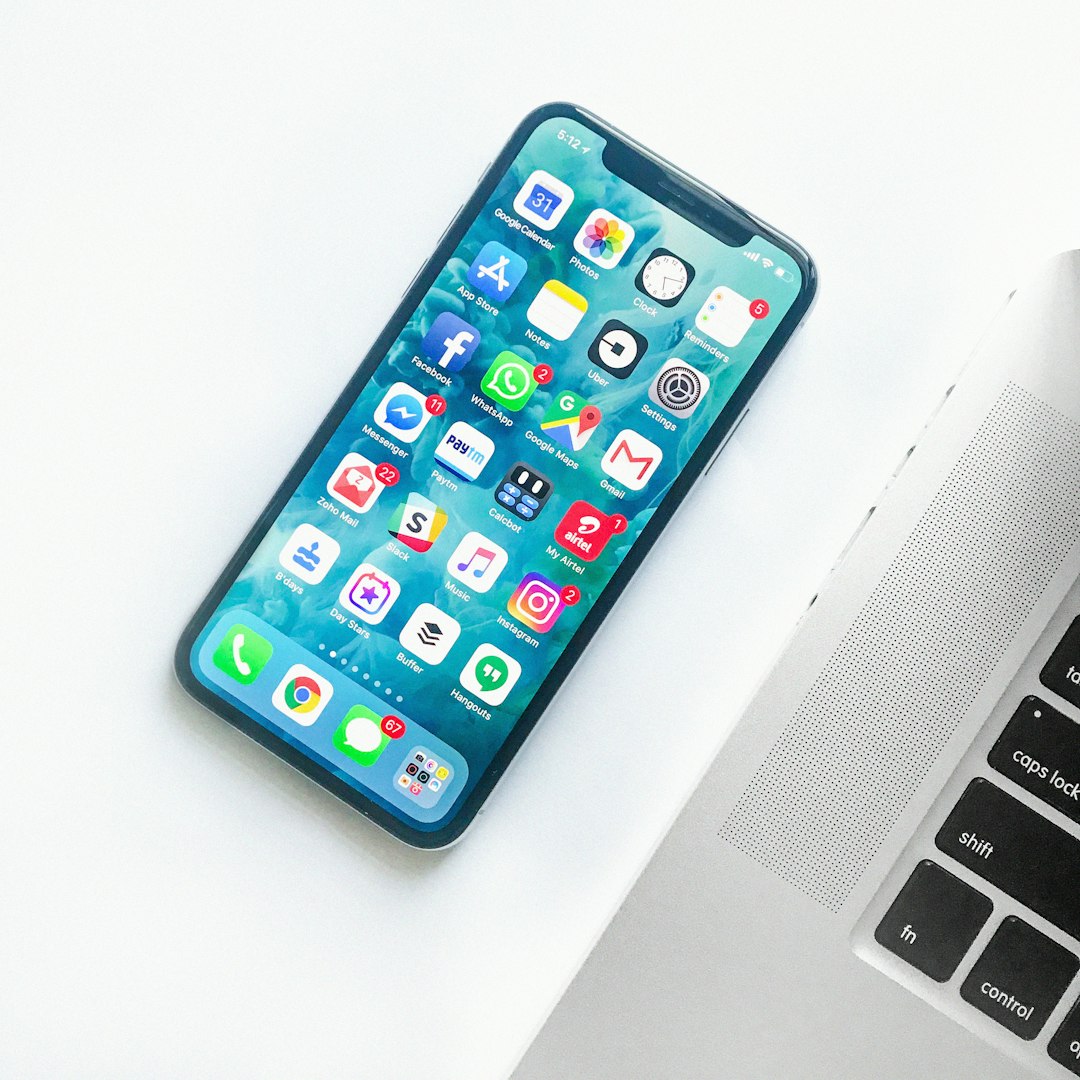
Los Angeles residents face a unique challenge from robocalls, with up to 150 calls per month on average. Blocking these nuisance calls is crucial for maintaining peace of mind, especially in such a bustling metropolis. Effectively using blocking apps requires a strategic approach tailored to the local context, focusing on both general and specific measures.
First, understand that blocking apps operate by comparing incoming call data against extensive databases of known robocallers and spammers. Apps like TruthFinder or NoRobo are popular choices, leveraging machine learning to adaptively improve their effectiveness. For instance, TruthFinder has over 20 billion phone numbers in its database, enabling robust protection. To maximize utility, users should regularly update app settings, allowing them to block not just known robocallers but also unknown numbers exhibiting suspicious patterns.
However, a one-size-fits-all approach may not suffice, especially considering the diverse nature of robocalls targeting Los Angeles residents. Some calls, like those from legitimate businesses or healthcare providers, should be allowed. For instance, data from DoNotCallRegistries shows that many robocalls are related to telemarketing, debt collection, or survey research – all activities not inherently harmful but often unwanted. Thus, users should fine-tune their app settings, manually allowing known good numbers and blocking only suspicious or frequent unwanted callers.
Moreover, combining app usage with Do Not Call law firms in Los Angeles can offer enhanced protection. Many firms specialize in handling such calls, providing a secondary layer of defense against persistent robocallers. By registering on national "Do Not Call" lists and leveraging these legal services, users can significantly curb the volume of unwanted calls. In conclusion, for LA residents seeking robust blocking solutions, a blend of advanced app features and legal protections offers the best path forward in navigating this modern-day enigma.
Beyond Apps: Additional Measures for LA Residents

In addition to mobile apps designed to block robocalls, Los Angeles residents can employ several other strategies to combat unwanted calls, especially from law firms. While technology offers a robust first line of defense, a multi-faceted approach is often necessary to stay ahead of persistent and aggressive robocallers. One effective measure involves registering on the National Do Not Call Registry, ensuring your number is listed and reducing the likelihood of receiving unsolicited calls, including those from legal entities.
Moreover, consumers should be vigilant in how they share their contact information. Limiting the disclosure of phone numbers to trusted sources and being cautious when providing details online or through social media platforms can significantly curb unwanted attention. For instance, many law firms employ automated dialing systems that scour public databases for new contacts, so minimizing exposure is key. Additionally, regular review and management of privacy settings on devices and accounts can further restrict access to personal information, making it less accessible to robocallers.
Another powerful tool in the fight against robocalls is using call-blocking applications that go beyond simple filtering. Advanced apps utilize machine learning algorithms to identify and block calls from known spam sources, including law firms known for aggressive marketing tactics. These apps often learn and adapt based on user feedback, continually refining their blocking capabilities. For example, some popular options employ dynamic blacklists that update in real-time, ensuring residents stay protected even as call patterns evolve. By combining these additional measures with robust app solutions, Los Angeles residents can reclaim control over their communication channels and experience a notable reduction in unwanted robocalls from law firms and other sources.