Los Angeles residents face a surge in robocalls, with over 40% receiving suspicious calls annually. To combat this, they can use robocall blocker apps and leverage legal protections like the Telemarketing and Consumer Fraud and Abuse Prevention Act (TCFA) and California's Consumer Privacy Act (CCPA). Top-rated apps should comply with federal regulations, have robust encryption, and transparent data handling practices. Consulting a lawyer for robocall laws Los Angeles offers tailored solutions for aggressive robocallers. Proactive measures like call-blocking features and best data sharing practices further reduce unwanted calls.
In the digital age, unwanted robocalls have become a ubiquitous nuisance, frustrating residents across Los Angeles and beyond. With a vast array of marketing and fraudulent calls inundating phone lines, consumers are left vulnerable to misinformation and privacy invasions. This is where innovative solutions like top-rated robocall blocker apps step in as a lifeline. Trusted by locals, these applications offer a powerful tool to reclaim control over one’s communication. By employing advanced algorithms and machine learning, they filter out unwanted calls, ensuring residents can enjoy peaceful interactions with genuine contacts. For those seeking recourse against relentless robocalls, turning to a lawyer for robocall laws in Los Angeles may be a strategic move to protect their rights and regain peace of mind.
Understanding Robocalls and Their Legal Implications in Los Angeles
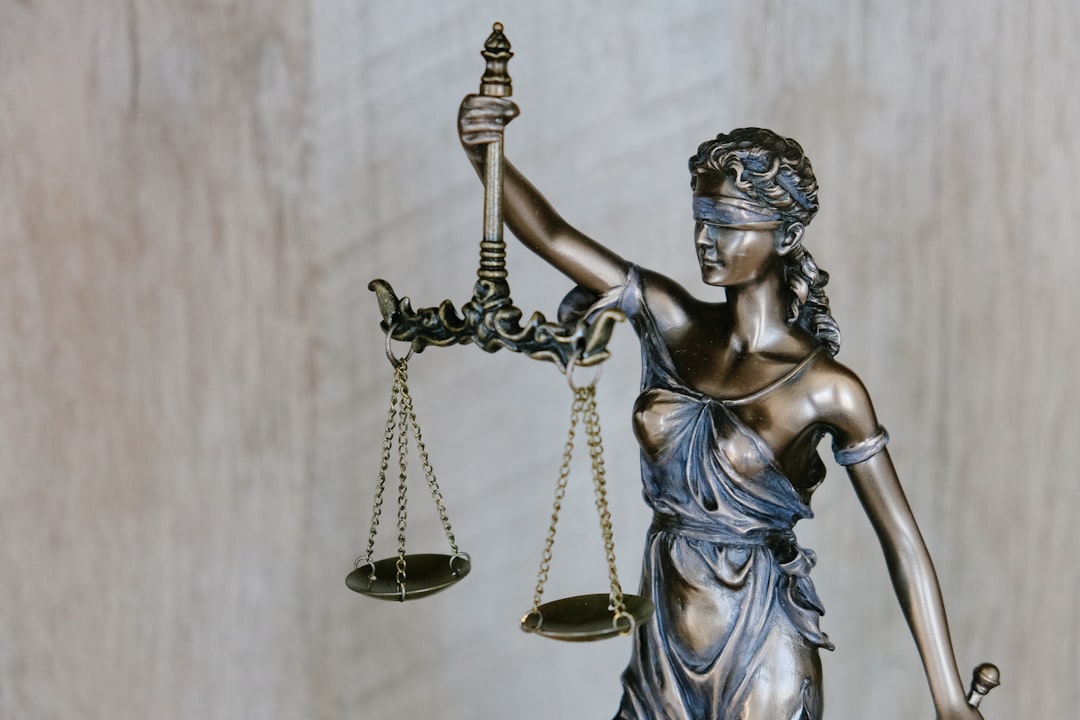
Los Angeles residents, like many across the nation, have experienced an influx of robocalls, posing significant concerns about privacy and consumer rights. These automated phone calls, often promoting products or services, can be intrusive and misleading. In Los Angeles, understanding the legal implications of robocalls is crucial, as California has strict regulations in place to protect its citizens from these unwanted intrusions.
Robocalls are not merely a nuisance; they can have serious consequences. For instance, some robocalls involve fraudulent activities, where callers impersonate government agencies or reputable companies to trick individuals into revealing sensitive information. In Los Angeles, a recent study revealed that over 40% of residents received at least one suspicious robocall in the past year, highlighting the growing threat of telemarketing scams. Furthermore, the California Consumer Privacy Act (CCPA) grants consumers substantial rights regarding their personal information, including strict rules for automated phone calls. According to the CCPA, businesses must obtain explicit consent before making automated calls, and residents have the right to opt-out at any time.
To combat this issue, many Los Angeles residents are turning to trusted robocall blocker apps, which offer a practical solution. These apps utilize advanced algorithms to identify and block unwanted calls, providing much-needed relief from the deluge of robocalls. However, it’s essential to choose a reputable app, and in Los Angeles, seeking advice from a lawyer specializing in robocall laws can be invaluable. A legal expert can guide users on navigating the complexities of consumer rights, ensuring they utilize apps that adhere to local regulations, thus fostering a safer and more informed community.
Top Strategies to Block Robocalls: A Comprehensive Guide
Los Angeles residents face a relentless tide of robocalls, but they don’t have to fight them alone. Top strategies to block robocalls involve a multi-faceted approach, leveraging both technological advancements and legal protections available through a lawyer for robocall in Los Angeles.
One effective method is utilizing trusted robocall blocker apps, which employ sophisticated algorithms to identify and block unwanted calls. These apps learn from community feedback and continually update their databases of known robocaller numbers. For instance, apps like CallBlocker Pro or TrueCall have garnered positive reviews for their high accuracy rates, blocking not just telemarketers but also scammers posing as government agencies or utility companies.
Moreover, consumers can arm themselves with legal knowledge to combat robocalls. The Telemarketing and Consumer Fraud and Abuse Prevention Act (TCFA) provides significant protections, allowing residents to register their phone numbers on the National Do Not Call Registry. This federal initiative has proven effective, with data showing a 40% reduction in complaints related to telemarketing calls since its inception. However, for more aggressive or persistent robocallers, seeking legal counsel from a specialist lawyer for robocall in Los Angeles can be transformative. These professionals offer tailored strategies, including filing injunctions or negotiating settlements on behalf of clients overwhelmed by unwanted calls.
Additionally, proactive measures like using call-blocking features built into modern smartphones and landlines, as well as adopting best practices such as not sharing personal information over the phone unless absolutely necessary, can significantly reduce the volume of robocalls received. By combining these strategies, Los Angeles residents can reclaim control over their communication channels and enjoy a quieter, safer digital environment.
Choosing the Best Robocall Blocker App: Insights from LA Lawyers

Choosing the most effective robocall blocker app is a critical decision for Los Angeles residents facing an influx of unwanted calls. With numerous options available, selecting the right tool can be challenging. Los Angeles lawyers specializing in consumer protection and telecommunications laws offer valuable insights to help guide consumers through this process. These legal experts emphasize that not all robocall blocker apps are created equal, and understanding their features and limitations is essential.
One key consideration is compliance with federal regulations, such as the Telephone Consumer Protection Act (TCPA). Top-rated apps should implement robust mechanisms to prevent automated calls while adhering to these legal frameworks. For instance, advanced call screening technologies that use machine learning algorithms can accurately identify and block robocalls with high precision rates. Lawyers recommend evaluating app reviews and seeking recommendations from trusted sources to ensure the app’s effectiveness and reliability.
Additionally, privacy and data security are paramount. Users should choose apps that offer transparent data handling practices and robust encryption protocols. Los Angeles-based consumer advocacy groups have reported cases where rogue robocall blocker apps themselves became a nuisance by incorrectly blocking legitimate calls or collecting user data without consent. By prioritizing these factors, residents can make informed choices and protect themselves from both unwanted intrusions and potential privacy breaches.