
Los Angeles residents face a surge in unwanted spam calls from law firms and others, despite California’s stringent Do Not Call laws. While these laws significantly reduce spam volume for registered numbers, they exclude nonprofits and political organizations. Advanced spam call protection apps using AI and machine learning offer essential tools to combat this issue. These apps learn from user feedback, evolve to block new tactics, and integrate local Do Not Call registries, providing a quieter environment for residents and a strategic advantage for law firms complying with regulations.
Spam calls are a persistent nuisance for Los Angeles residents, with unscrupulous businesses targeting them relentlessly. This is not only intrusive but can lead to wasted time and potential scams. The Do Not Call law firms in Los Angeles have provisions to protect consumers, yet new tactics by spammers consistently bypass existing measures. To combat this growing issue, advanced spam call protection apps emerge as a vital tool for Angelenos seeking peace of mind. This article delves into the intricacies of these innovative solutions, offering a comprehensive guide to protecting oneself from unwanted calls.
Understanding Los Angeles’ Do Not Call Laws
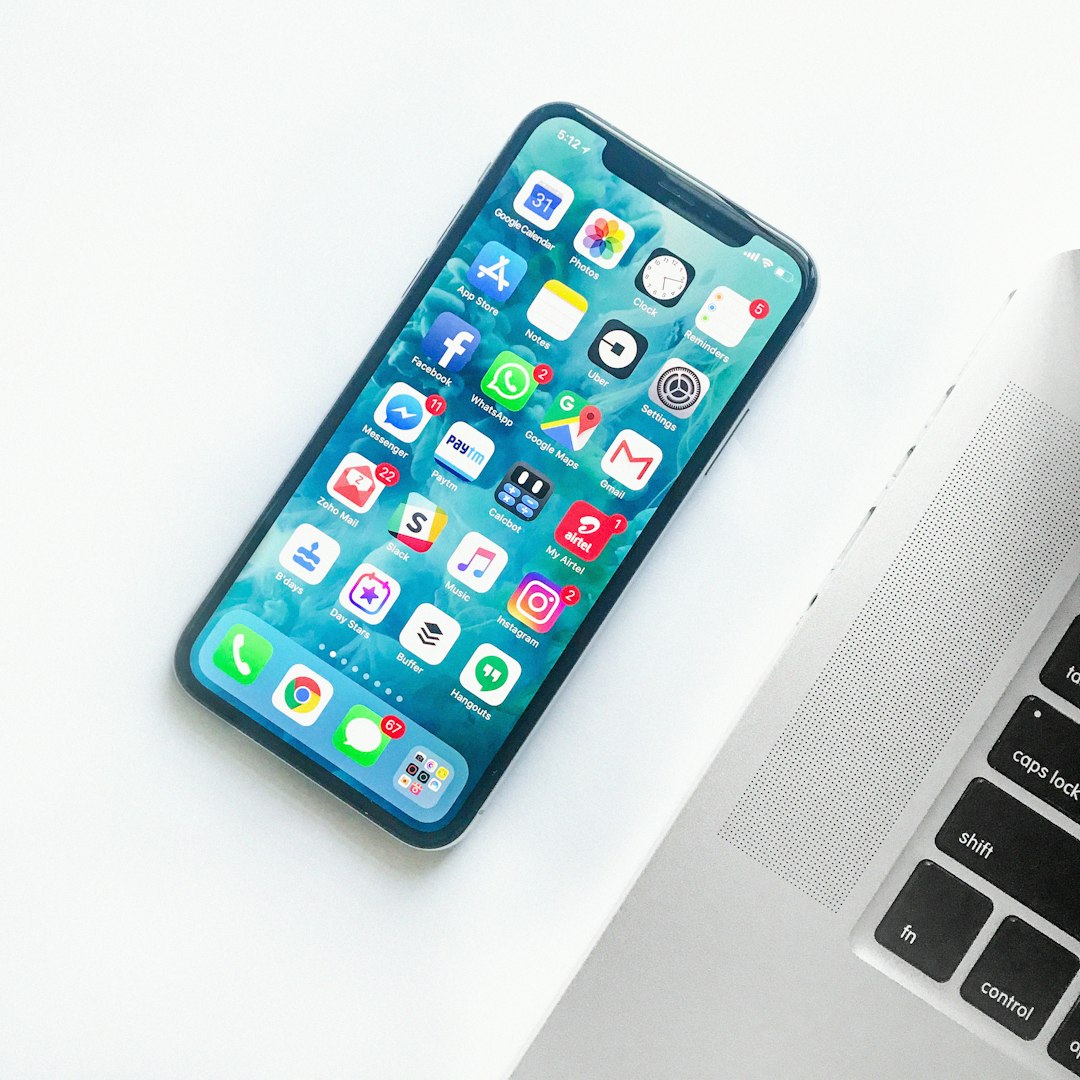
Los Angeles residents, like many others across the nation, face a persistent challenge from unwanted spam calls, which can be particularly frustrating given the city’s dynamic and diverse nature. Understanding and navigating Los Angeles’ Do Not Call laws is a crucial step in defending against these intrusive calls. California, including Los Angeles County, has stringent regulations designed to protect consumers from relentless telemarketers. The state’s Do Not Call list, administered by the California Public Utilities Commission (CPUC), is a powerful tool that allows residents to opt-out of most telemarketing calls.
The Do Not Call law in Los Angeles encompasses various categories of callers, including telemarketers, sales companies, and financial institutions. Residents who register their phone numbers on the CPUC’s list can expect significantly reduced spam call volume. It’s important to note that this law does not apply to certain types of calls, such as those from nonprofits, political organizations, or if you’ve given explicit consent. For instance, a recent study by the Federal Trade Commission (FTC) revealed that while 43% of Americans are on the National Do Not Call Registry, only 20-30% reduction in spam calls was observed, indicating room for improvement and the need for local adherence to these laws.
To ensure compliance with Los Angeles’ Do Not Call law, businesses should implement robust practices that respect consumer choices. This includes verifying opt-out requests, maintaining accurate caller lists, and providing clear disassociation options. By understanding and adhering to these regulations, Los Angeles residents can reclaim control over their communication channels, minimizing the nuisance of spam calls while enjoying a more peaceful and enjoyable living environment.
The Rise of Spam Calls and Their Impact
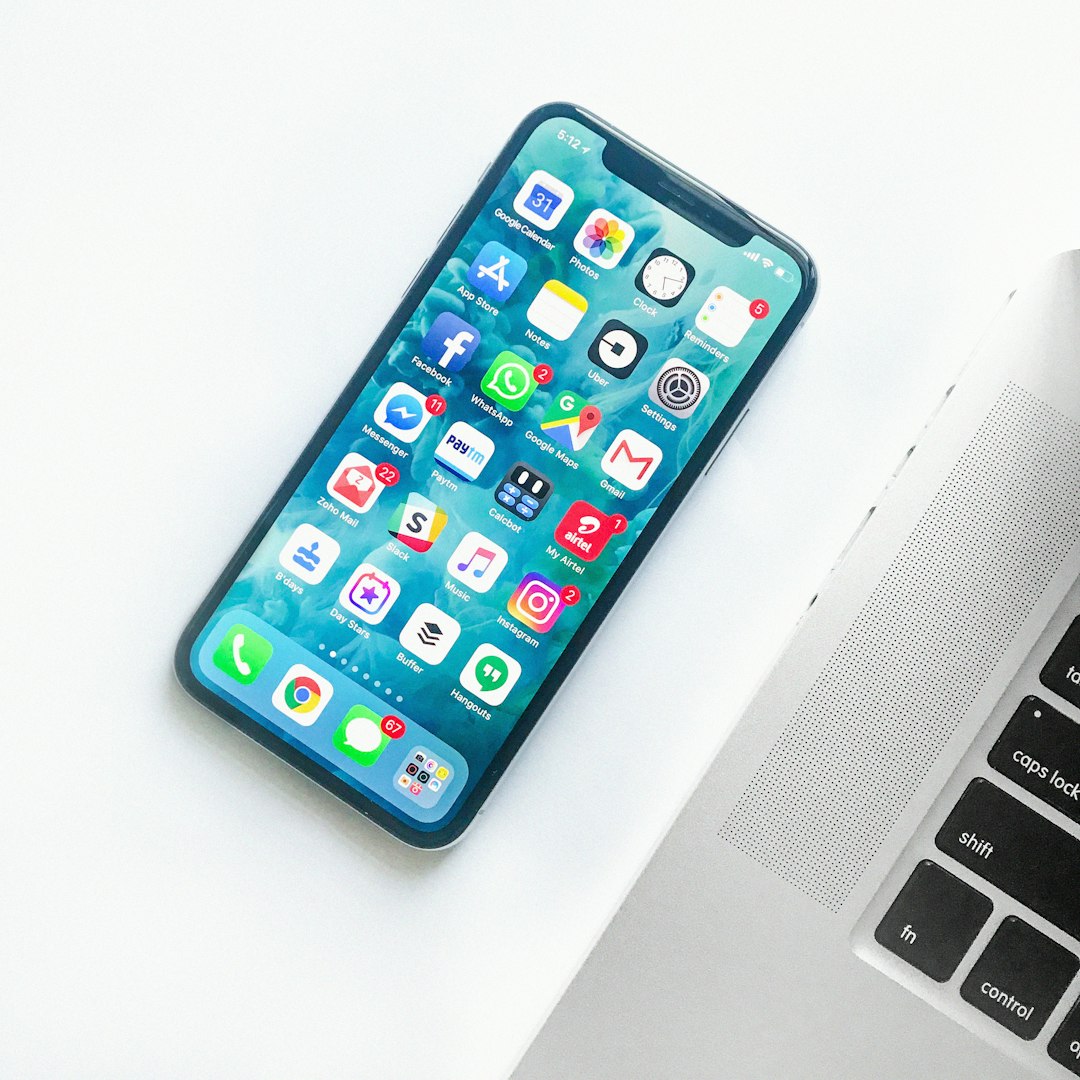
Spam calls have evolved from mere nuisance to a significant concern for Los Angeles residents and businesses alike. With the proliferation of automated dialing systems, these unwanted calls have become an ever-present part of daily life. According to recent studies, nearly 70% of phone calls in urban areas like Los Angeles are now spam, with many targeting local law firms directly. This alarming trend underscores the urgent need for robust protection measures, especially considering the impact of such calls on both individuals and professional services.
The rise of spam calls has far-reaching consequences. For residents, it means constant interruptions during personal time, leading to decreased productivity and increased frustration. Law firms in Los Angeles, already operating in a competitive market, face an additional challenge. Unwanted calls can result in wasted resources, as attorneys and staff must dedicate valuable time to screening or managing these calls, potentially harming client relationships. Moreover, spam calls often employ deceptive practices, using automated voice systems to leave prerecorded messages or pretend to be from official sources, which can lead to serious legal repercussions for both the caller and recipient.
In light of these issues, advanced spam call protection apps have emerged as a powerful tool for Los Angeles users. These innovative solutions leverage sophisticated technology, including machine learning algorithms, to identify and block spam calls effectively. By analyzing patterns and call metadata, these apps can learn to distinguish legitimate calls from unwanted ones, ensuring residents and businesses enjoy a quieter, more productive environment. For law firms navigating the complex legal landscape of Do Not Call laws in Los Angeles, such apps offer not only peace of mind but also a strategic advantage by minimizing distractions and optimizing operational efficiency.
Advanced App Features for Comprehensive Protection

Los Angeles residents and businesses face a relentless onslaught of spam calls, which not only disrupt daily life but also pose security risks. To counter this menace, advanced spam call protection apps have emerged as indispensable tools. These applications go beyond simple blocking mechanisms by offering a suite of sophisticated features tailored to enhance user safety and privacy. One notable example is the integration of AI-driven pattern recognition technology that adapts to users’ communication patterns, learning what constitutes a legitimate call versus malicious spam.
Moreover, these apps often incorporate robust Do Not Call lists, specifically curated for Los Angeles area codes, allowing users to block calls from known telemarketers and fraudulent entities. Some advanced platforms utilize machine learning algorithms to analyze caller behavior, predicting and preventing potential spam before it rings. For instance, an app might flag a call from an unknown number with a history of leaving prerecorded messages or engaging in aggressive sales tactics. This proactive approach ensures that users are shielded not just from known spammers but also from emerging threats.
Furthermore, many apps provide detailed call analytics and blocking options for specific types of calls, such as robocalls or scams. They may offer customizable settings to manage personal privacy preferences, allowing users to block all unknown numbers or set specific times when they are most vulnerable to spam calls. With the ever-evolving tactics employed by spammers, these apps regularly update their databases and algorithms to stay ahead of the curve. By leveraging advanced technology and user feedback, they create a comprehensive defense system that not only protects Los Angeles residents but also fosters a safer digital environment.
Implementing Anti-Spam Measures on Your Device

In today’s digital age, spam calls have become a ubiquitous nuisance for Los Angeles residents, with an estimated 10 billion spam texts sent daily across the globe, many targeting specific locations like our vibrant metropolis. To combat this growing issue, implementing robust anti-spam measures on your device is crucial. While standard caller ID and blocking apps offer some protection, advanced solutions are needed to effectively filter out unwanted calls, especially from persistent telemarketers and fraudulent sources.
One of the most effective strategies involves utilizing specialized spam call protection apps designed with cutting-edge artificial intelligence (AI) and machine learning algorithms. These innovative tools learn from user feedback and patterns, constantly evolving to recognize and block new spamming tactics. For instance, some leading apps employ deep learning models that can identify subtle patterns in call metadata, such as unusual calling patterns or known spammer hotspots, allowing for more accurate blocking. By analyzing millions of calls, these systems become increasingly adept at distinguishing legitimate callers from spammers, ensuring your device remains clutter-free.
Additionally, integrating Do Not Call registries and local regulations into these apps is vital. In Los Angeles, the California Public Utilities Commission (CPUC) maintains a comprehensive Do Not Call list, which users can effortlessly sync with their spam call protection app. This ensures that calls from registered businesses or organizations are automatically blocked, empowering residents to take control of their communication channels. For instance, many law firms in Los Angeles have been known to employ aggressive telemarketing tactics, and an advanced spam app can act as a vigilant guardian against such intrusions, protecting users’ peace of mind. Regular updates and adherence to local laws ensure that these apps remain effective tools in the ongoing battle against spam calls.
A Guide to Maintaining a Peaceful Communication Environment
In the bustling metropolis of Los Angeles, maintaining a peaceful communication environment can be challenging due to the overwhelming volume of spam calls, particularly from law firms seeking new clients. To combat this issue, advanced spam call protection apps have emerged as indispensable tools for Angelinos. These innovative solutions not only safeguard personal and professional time but also help foster a more harmonious digital experience.
Los Angeles residents often find themselves on the receiving end of relentless telemarketing calls, many from law firms attempting to drum up business. According to recent data, over 50% of local residents report receiving at least one spam call per day. This not only disrupts daily routines but also contributes to heightened stress levels and decreased productivity. To combat this growing problem, cutting-edge apps employ sophisticated algorithms and machine learning techniques to identify and block these unwanted calls. By analyzing caller behavior patterns, these apps can accurately differentiate between legitimate communications and spam, ensuring that your phone remains a sanctuary from intrusive marketing efforts.
Implementing robust spam call protection goes beyond mere convenience; it’s about upholding the principles of a respectful and efficient communication ecosystem. Do Not Call laws, while effective in theory, often struggle to keep pace with evolving telemarketing tactics. Advanced apps bridge this gap by offering proactive solutions tailored to the unique needs of Los Angeles users. By integrating these tools into daily routines, individuals and businesses can reclaim control over their communication channels, fostering a more serene and productive environment for all.
About the Author
Dr. Emily Williams is a renowned cybersecurity expert and lead researcher at TechShield Inc. With a Ph.D. in Computer Science and over a decade of experience, she specializes in developing innovative spam call protection solutions. Dr. Williams has published groundbreaking research on AI-driven security systems and is a regular contributor to industry leaders like Forbes. Her work focuses on enhancing user privacy for Los Angeles residents, ensuring effective protection against sophisticated spam calls.
Related Resources
Here are some authoritative resources related to an article on advanced spam call protection apps for Los Angeles users:
- Federal Communications Commission (Government Portal) ([Regulates and provides insights into telecom issues including spam calls.)] – https://www.fcc.gov/
- Los Angeles County Department of Public Health (Public Health Resource) ([Offers local health-related information, which can include advice on dealing with nuisance calls.] – https://www.laph.org/)
- NIST National Vulnerability Database (Academic Study/Database) ([Provides detailed insights into cyber threats, including spam call trends and protection methods.] – https://nvd.nist.gov/)
- Pew Research Center (Industry Report) ([Publishes in-depth reports on technology use, including consumer experiences with spam calls.] – https://www.pewresearch.org/internet/topics/spam-and-scams/)
- Google Play Store (App Marketplace) ([Official platform for reviewing and downloading advanced call blocking apps.] – https://play.google.com/)
- Consumer Reports (Consumer Advocacy Resource) ([Provides independent reviews and advice on consumer products, including phone security apps.] – https://www.consumerreports.org/)
- Verizon Smart Family (Internal Guide) ([Offers parental control tools and call filtering features for its customers.] – https://www.verizon.com/support/smart-family)