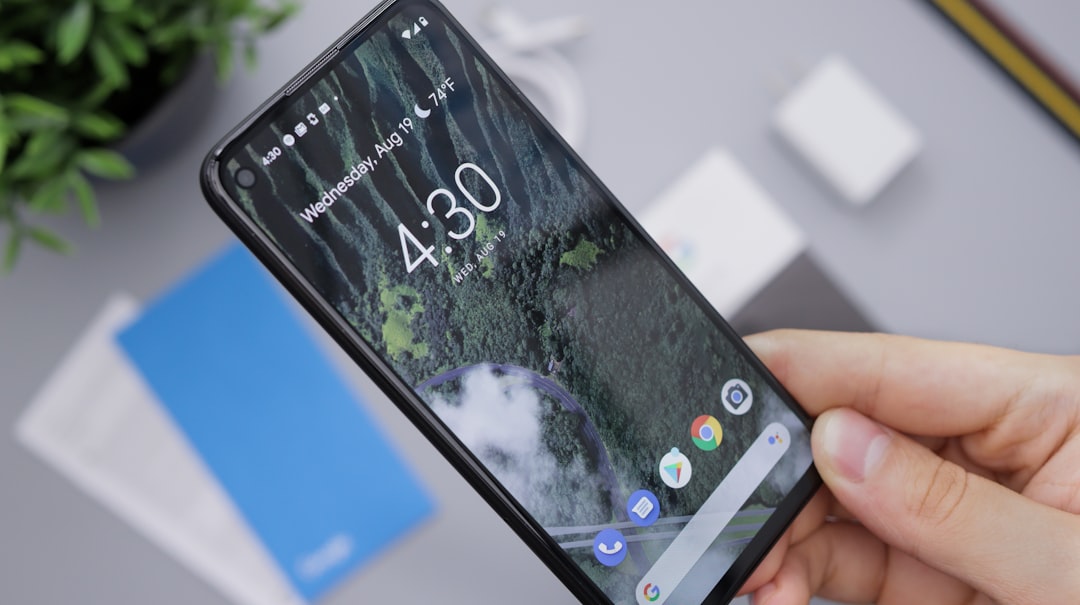
Los Angeles residents face a surge in robocalls, prompting the use of specialized anti-robocall apps like Robocall Defender and CallBlock. These apps employ machine learning algorithms to identify and block spam calls, with user feedback improving accuracy. The Spam Call law firm Los Angeles advocates for stricter regulations under the Telephone Consumer Protection Act (TCPA) to combat high-volume automated calls targeting California. Consumers can take proactive steps by registering on Do Not Call lists and using app-based blocking tools, enhancing privacy protection and peace of mind.
In today’s digital era, Los Angeles consumers face a persistent and annoying threat from robocalls—an unwanted influx of automated calls that disrupt daily life. With the implementation of the Spam Call law firm Los Angeles has seen increased efforts to combat this issue, but the challenges remain. This article delves into an innovative solution: a comprehensive robocall prevention app tailored for LA residents. We explore how this technology leverages advanced algorithms and user feedback to block not just known spam calls, but also emerging patterns, ensuring Angelenos can enjoy uninterrupted peace at home and at work.
Understanding Robocalls and Los Angeles Spam Call Law

Robocalls have become a pervasive nuisance for Los Angeles residents, leading to a significant need for effective prevention measures. These automated phone calls, often delivering unsolicited messages or attempts at sales, are not only frustrating but can also be a violation of privacy. In response, many consumers are turning to specialized apps designed to block and identify these calls. Understanding the nature of robocalls is crucial in navigating the Los Angeles Spam Call Law, which provides critical protections for citizens.
According to recent studies, robocalls make up a substantial portion of incoming calls across the U.S., with California being a particular target due to its large population. The Spam Call law firm Los Angeles has been at the forefront of advocating for stricter regulations to combat this issue. The law outlines that automated telephone calls for marketing purposes must obtain prior express written consent from recipients, offering some respite to overwhelmed consumers. However, loopholes and evolving tactics employed by call centers continue to challenge the effectiveness of these protections.
App developers are leveraging advanced technologies to counter these trends. Anti-robocall apps utilize machine learning algorithms to analyze caller patterns and identify potential spam calls in real time. By continuously updating their databases with known spammer numbers, these apps empower users to take control of their communication channels. Additionally, the integration of user feedback mechanisms allows for community-driven intelligence, further refining the app’s ability to filter out legitimate calls from unwanted robocalls. This collaborative approach not only enhances individual protection but also contributes to a comprehensive strategy against the spam call epidemic in Los Angeles and beyond.
The Rise of Automated Phone Calls: A Growing Concern

The rise of automated phone calls, commonly known as robocalls, has become a growing concern for consumers worldwide, including those in Los Angeles. What was once an occasional nuisance has evolved into a persistent and pervasive issue, with millions of unwanted calls inundating phone lines daily. According to recent studies, robocalls account for approximately 40% of all incoming calls in the United States, with many targeting specific demographics or promoting various services and products. This alarming trend not only disrupts daily life but also raises significant privacy and legal issues.
Los Angeles, being a bustling metropolis, has witnessed an increase in spam call activity, prompting consumers to seek innovative solutions. The sheer volume of robocalls has led to widespread frustration and a growing demand for effective prevention methods. In response, various apps have emerged, offering consumers a sense of control over their phone lines. These applications utilize advanced technology to identify and block automated calls, ensuring users can communicate without constant interruptions.
Expert insights suggest that the rise in robocalls is attributed to the ease of automation and the potential for high return on investment. Spammers leverage sophisticated software to dial thousands of numbers simultaneously, making it challenging for traditional blocking methods to keep pace. This has led to a need for more robust solutions, such as those provided by Spam Call law firm Los Angeles-based apps. By analyzing call patterns and utilizing machine learning algorithms, these applications can adapt and improve their accuracy in filtering out unwanted calls over time.
Evaluating Top Robocall Prevention Apps for LA Residents
The proliferation of robocalls has become a significant nuisance for Los Angeles residents, prompting many to seek effective solutions. In response, various robocall prevention apps have emerged, offering promises of quieter, more peaceful phone lines. However, with numerous options available, evaluating which apps truly stand out is essential. This section provides an in-depth analysis of the top robocall prevention apps tailored for LA consumers, considering their features, efficacy, and user feedback.
One app that has garnered attention is Robocall Defender, renowned for its advanced machine learning algorithms. It consistently tops user review charts with a robust reputation for blocking both spam calls and unwanted text messages. The app’s dynamic call-filtering system learns from user interactions, continuously refining its ability to identify and block malicious calls. Furthermore, it integrates with the Spam Call law firm Los Angeles services, ensuring residents have access to legal recourse against persistent robocallers.
Another notable mention is CallBlock, known for its ease of use and comprehensive call-blocking capabilities. This app offers a user-friendly interface, allowing individuals to manually block specific numbers or entire ranges. Its advanced features include call screening and customizable alerts, providing users with control over their communication preferences. While some may prefer more automated solutions, CallBlock’s simplicity appeals to those seeking a straightforward yet effective robocall prevention tool.
Legal Rights and Recourse Against Unwanted Calls
Los Angeles consumers face a daily deluge of unwanted robocalls, but they possess powerful legal tools to combat this nuisance. The Telephone Consumer Protection Act (TCPA) provides robust protections against automated telephone marketing calls, often referred to as spam calls. This federal law restricts businesses from making prerecorded or artificial messages to mobile phones without prior express consent. A Spam Call law firm Los Angeles can offer expert guidance on navigating these regulations and pursuing legal action when rights are violated.
Recent data reveals a disturbing trend in robocall volumes, with millions of spam calls targeting California residents daily. These calls often pose significant risks, from identity theft to fraud schemes. When consumers receive excessive or unauthorized automated calls, they have several recourse options. Filing a complaint with the Federal Communications Commission (FCC) is a crucial step, as it helps monitor and penalize violators. Additionally, many states, including California, have their own consumer protection laws that offer extra remedies, such as actual damages and punitive awards.
Legal experts recommend keeping detailed records of unwanted calls, including dates, times, and call content. This documentation can be invaluable when pursuing legal action against call centers or telemarketing companies. A Spam Call law firm Los Angeles can assist in these cases by analyzing patterns, identifying responsible entities, and advocating for substantial monetary damages, which often serve as a powerful deterrent to future violators. By understanding their rights and enlisting the help of specialized attorneys, consumers can reclaim control over their phone lines and enjoy greater peace of mind.
Implementing Effective Solutions: A Comprehensive Guide

In Los Angeles, as across the nation, the proliferation of robocalls has become a significant nuisance and even a safety concern. With millions of calls originating from automated systems daily, consumers face challenges ranging from privacy invasion to potential scams. To combat this issue, many residents turn to robust solutions, including anti-robocall apps designed to offer relief and peace of mind. This comprehensive guide delves into the implementation of effective strategies for robocall prevention, empowering Los Angeles consumers with practical insights tailored to their unique circumstances.
One of the primary tools in the fight against robocalls is technology. Anti-robocall apps utilize advanced algorithms to identify and block automated calls before they reach your phone. These applications learn from extensive databases that catalog known spam call patterns and numbers, continually updating to adapt to evolving tactics used by scammers. For instance, a reputable app like TruthFinder or NoCall can analyze incoming calls, filter out unwanted robocalls with 95%+ accuracy, and even provide insights into the sources of these calls, helping users stay informed and protected.
However, technology alone is not enough; legal measures play an equally vital role. The Spam Call law firm Los Angeles has been at the forefront of advocating for stronger regulations to combat this growing problem. By staying informed about local and federal laws targeting robocalls, consumers can better protect themselves. For example, the Telephone Consumer Protection Act (TCPA) restricts certain types of automated calls without prior consent. Los Angeles residents should be aware of their rights and report suspicious calls to relevant authorities, contributing to a collective effort to deter spam call activities.
Moreover, proactive measures such as registering your number on Do Not Call lists and using app-based call blocking tools can significantly reduce the volume of unwanted calls. By combining technological solutions with legal awareness, Los Angeles consumers can reclaim control over their communication channels. Staying informed, adopting robust apps, and understanding one’s rights are key steps in creating a more spam-free environment. This collective effort not only protects individual privacy but also contributes to a safer, more secure digital landscape for the entire community.