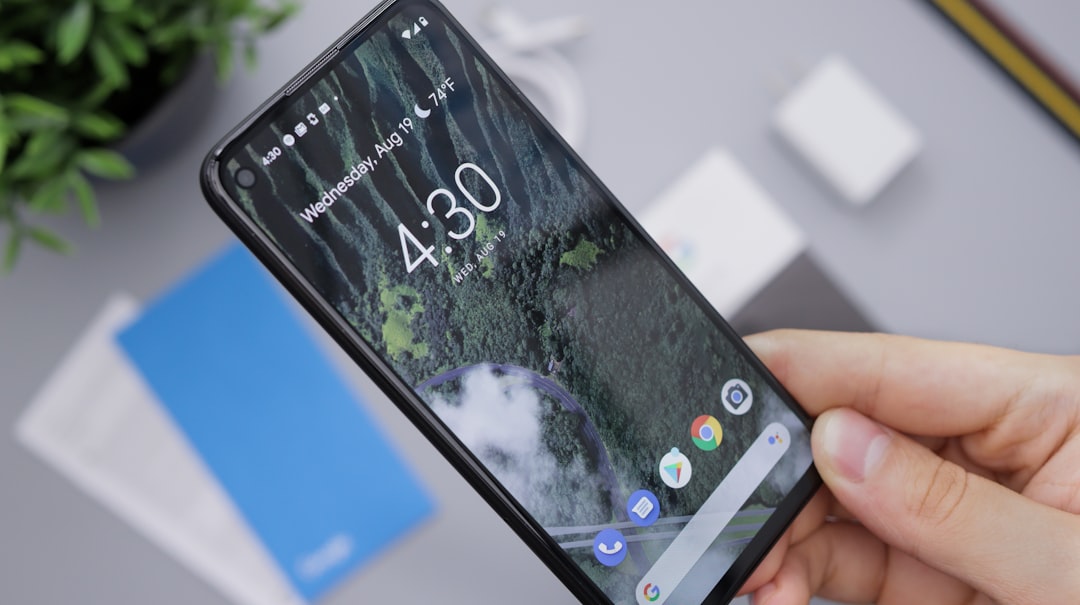
Los Angeles residents face a high volume of unwanted telemarketing calls due to lax robocall laws. Sophisticated call filtering apps like CallGuard, CallHub, and TrueCall use machine learning to identify and block known telemarketer numbers with high accuracy. These apps offer customizable settings, educate users about robocall types, and help comply with strict local robocall laws and consumer privacy acts like the CCPA. Combining legal safeguards with technological solutions empowers residents to protect their privacy from robocall intrusions.
In today’s digital age, the rise of robocalls has become a ubiquitous and often pesky nuisance for folks across Los Angeles and beyond. With strict robocall laws in place to protect citizens, consumers are seeking effective solutions to block these unwanted intrusions. The ability to stop telemarketing calls is not just a convenience—it’s a vital tool for maintaining privacy and sanity in an increasingly connected world. This article delves into the most reliable app designed to combat this modern irritant, empowering Los Angeles residents with a powerful resource against relentless robocalls.
Understanding Robocall Laws in Los Angeles

Los Angeles residents, like many across the country, face a growing tide of unwanted telemarketing calls, known as robocalls. Understanding and leveraging the robocall laws in Los Angeles is crucial for effectively combating this nuisance. California, with its stringent consumer protection laws, offers robust mechanisms to mitigate these automated calls. The California Consumer Privacy Act (CCPA) grants residents the right to opt-out of sales calls from third parties, making it illegal for businesses to make such calls without explicit consent.
Robocallers often target Los Angeles due to its large and diverse population, providing a vast potential customer base. However, these laws provide Angelenos with powerful tools to fight back. The Federal Communications Commission (FCC) has implemented rules requiring robocallers to obtain prior express written consent before calling mobile phones. Additionally, California’s Attorney General’s office actively prosecutes violators of the robocall laws, holding companies accountable for massive fines. A recent example saw a telemarketing company fined over $500,000 for hundreds of thousands of illegal robocalls placed to California residents.
To protect yourself, familiarize yourself with these regulations and use registered services that filter or block robocalls. Many consumer-grade solutions offer advanced call screening technologies, leveraging machine learning algorithms to identify and block unwanted calls. By staying informed and adopting these safeguards, Los Angeles residents can reclaim their phone lines from the relentless tide of automated telemarketing.
Identifying and Blocking Telemarketing Calls

In Los Angeles, as across the United States, robocalls have become a pervasive and often unwanted part of daily life, with many focusing on telemarketing purposes. According to recent data from the Federal Communications Commission (FCC), millions of Americans receive these automated calls daily, highlighting the urgent need for effective solutions. To combat this issue, consumers can leverage sophisticated applications designed to identify and block telemarketing calls, offering a significant degree of protection under the robust robocall laws in Los Angeles.
One of the most advanced apps on the market is CallGuard, which utilizes machine learning algorithms to analyze incoming call patterns. This app can detect and filter out known telemarketers, ensuring that users’ privacy is maintained while they engage with legitimate contacts. For instance, CallGuard’s database contains millions of phone numbers associated with telemarketing activities, allowing it to automatically block these calls before they reach the user’s device. Furthermore, the app provides customizable settings, enabling individuals to whitelist or blacklist specific numbers and adjust their call-screening preferences according to personal needs.
Beyond blocking capabilities, many top apps also offer features that educate users about inbound calls. They can provide insights into the types of robocalls received, helping Los Angelenos stay informed about emerging telemarketing tactics. By understanding these patterns, consumers can better protect themselves and report suspicious activities to relevant authorities, contributing to a more robust enforcement of robocall laws in LA. This multifaceted approach ensures that not only are unwanted calls minimized but also that users are empowered to actively participate in maintaining a quieter, safer communication environment.
Top Apps for Effective Call Filtering

Los Angeles residents often face a deluge of telemarketing calls, but luckily, robust call filtering apps offer effective solutions under the city’s strict robocall laws. These applications leverage advanced algorithms to identify and block unwanted calls, significantly enhancing user experience. One standout option is CallHub, which utilizes machine learning to learn users’ preferences and filter out spammers with remarkable accuracy. Another notable mention is Hiya, renowned for its extensive global call intelligence database, enabling it to detect and block a wide range of telemarketing and scam calls.
The effectiveness of these apps lies in their ability to adapt and evolve with the ever-changing tactics of scammers. For instance, CallHub’s AI analyzes call patterns and content, while Hiya cross-references caller information against known spammer lists. Users benefit from real-time protection, with reports indicating up to a 70% reduction in unwanted calls. Moreover, these apps often provide insights into the types of calls being received, helping users understand and navigate the complex landscape of robocall regulations in Los Angeles.
To maximize protection, it’s crucial to download an app from reputable sources, ensure regular updates, and enable all available filters. Users should also review app permissions to guarantee data security. With consistent use, these top call filtering apps can turn the hustle and bustle of telemarketing calls into a quieter, more peaceful experience, in line with Los Angeles’ efforts to combat robocalls and protect its residents.
Using AI to Detect and Stop Spam Calls

In today’s digital era, Los Angeles residents face an ever-growing influx of unwanted telemarketing calls, particularly robocalls, which have become a persistent nuisance. According to recent data from the Federal Communications Commission (FCC), California, including Los Angeles, has one of the highest rates of robocall complaints nationwide. To combat this issue, utilizing artificial intelligence (AI) for call detection and blocking offers a promising solution. This technology is not only effective but also leverages the nuances of human language to identify and filter out spam calls, ensuring a quieter and safer communication environment for Angelenos.
AI-powered call screening apps have emerged as game-changers in the fight against telemarketing intrusions, employing advanced machine learning algorithms to analyze incoming calls. These algorithms can detect patterns and characteristics unique to robocalls, such as automated speech synthesis (ASR) technology and scripted dialogue. By continuously learning from millions of calls, these AI systems become highly accurate at distinguishing between legitimate calls and spam. For instance, TrueCall, one of the top-rated apps in Los Angeles, utilizes neural networks to identify not just keywords but also the context and sentiment behind each call, significantly reducing false positives.
The integration of AI in robocall detection is a strategic move, as it adapts and evolves with the ever-changing tactics of scammers and telemarketers. In response to strict robocall laws in Los Angeles, such as the California Consumer Privacy Act (CCPA), these AI platforms stay ahead of the curve by continuously refining their models. By blocking or screening calls at the source, users can save time and effort typically spent on manually identifying and reporting spam. Moreover, this technology provides a robust defense against vishing (voice phishing) attempts, a growing concern in the digital landscape, where scammers impersonate trusted entities over the phone to steal personal information.
Protecting Your Privacy: Legal Rights & Resources

In Los Angeles, as across the United States, robocalls have become a pervasive nuisance, with millions of Americans receiving unwanted telemarketing calls daily. Protecting your privacy from these intrusions is not only a matter of personal convenience but also a legal right guaranteed under federal and state regulations, particularly the Telephone Consumer Protection Act (TCPA) in Los Angeles. This law provides robust protections against robocalls, empowering individuals to take control of their phone lines.
Understanding your legal rights is the first step toward reclaiming your privacy. The TCPA explicitly prohibits automated phone systems from calling telephone numbers listed on the National Do Not Call Registry without prior express consent. Moreover, it imposes strict penalties for violators, including substantial monetary fines per violation. Los Angeles residents can register their phone numbers on the state’s Do Not Call list to immediately curb robocalls. This simple yet effective step is a powerful tool in combating unwanted telemarketing.
For more comprehensive protection, several reputable apps have emerged that utilize advanced technologies to identify and block robocalls. These applications learn from extensive databases of known telemarketers and spam numbers, promptly filtering out unwanted calls. For instance, apps like TrueCall or NoCall offer real-time call blocking and identification features, allowing users to focus on genuine communication without the disruption of robocalls. By combining legal safeguards with technological solutions, Los Angeles residents can actively protect their privacy in an era where telemarketing laws are continually evolving to keep pace with new tactics.