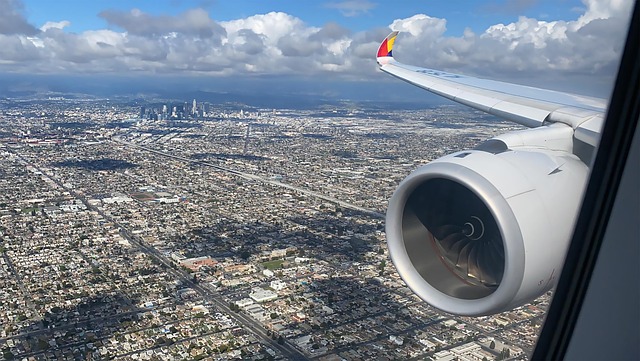
Los Angeles confronts a surge in robocalls due to its diverse population, making it a prime target for scammers. While federal and state laws like TCPA offer protections, enforcing them is difficult. Advanced technological solutions using AI and machine learning adapt to call patterns, blocking unwanted calls effectively. These innovative tools empower residents and combat fraud, enhancing privacy and peace of mind in the face of evolving robocall techniques, in line with robust robocall laws in Los Angeles.
Los Angeles, a bustling metropolis, grapples with an ever-growing menace—robocalls. These automated calls disrupt peace and pose legal challenges, especially with evolving regulations in LA’s robocall laws. Despite blocking efforts, loopholes persist, impacting Angelenos’ daily lives. This article explores the complex world of robocalls, their legal framework in Los Angeles, and innovative tech-driven solutions. We delve into implementing an effective robocall block system, offering a comprehensive guide for smartphone users to reclaim control over their communications.
Understanding Robocalls and Their Impact in Los Angeles

Robocalls, automated phone calls delivered en masse, have become a significant nuisance in Los Angeles, as across the nation. With technological advancements, scammers and telemarketers now have more sophisticated ways to reach consumers, often targeting personal smartphones. These unsolicited calls can range from fraudulent schemes to unwanted marketing messages, causing distress and disrupting daily life. In Los Angeles, where a diverse population makes it an attractive market for various industries, the volume of robocalls has been particularly high, leading to widespread frustration among residents.
Los Angeles, with its large and diverse population, faces unique challenges when it comes to robocall regulations and blocking. The Telephone Consumer Protection Act (TCPA) in the US provides certain protections against robocalls, but enforcing these laws can be complex. Residents often find themselves on do-not-call lists or struggling to identify and block specific numbers manually. Therefore, an effective robocall blocking solution is crucial to mitigating this growing issue in Los Angeles, ensuring residents’ peace of mind and privacy in the digital age.
Legal Framework: Los Angeles' Approach to Robocall Regulations

Los Angeles, as a bustling metropolis, has recognized the growing concern of robocalls and their impact on residents’ lives. The city’s approach to tackling this issue involves a robust legal framework that aligns with federal and state regulations. These laws aim to protect consumers from unwanted and fraudulent calls by holding companies accountable for their practices.
The Telephone Consumer Protection Act (TCPA), a key piece of federal legislation, sets the foundation for robocall regulations across the nation, including Los Angeles. The TCPA restricts automated telephone marketing calls and provides consumers with the right to opt-out of such calls. Additionally, California state laws further strengthen these protections, ensuring that residents can enjoy peace of mind when it comes to their phone lines being inundated with unsolicited messages.
Common Loopholes and Challenges in Blocking Robocalls

Despite advancements in robocall blocking technologies, Los Angeles residents still face challenges in shielding their smartphones from unwanted automated calls. Traditional blocking methods often rely on phone company filters and consumer reporting agencies, which can be ineffective due to loopholes in robocall laws. Many spoofed calls originate from areas not yet regulated, slipping through existing defenses. Moreover, new robocall tactics, like using legitimate-sounding numbers or targeting specific demographics, evade standard blocking mechanisms.
Additionally, the rapid evolution of robocall technology makes it a continuous cat-and-mouse game. Scammers employ sophisticated methods to bypass blocking systems, requiring constant updates and improvements from call protection software. Furthermore, while state and federal robocall laws offer some protections, enforcement remains a challenge, leaving consumers vulnerable to persistent and aggressive automated calls.
Innovative Solutions: Advanced Technologies for Protection

In the battle against relentless robocalls, innovative solutions are emerging as powerful weapons for Los Angeles residents. With robocall laws in place, advanced technologies are now available to offer comprehensive protection for smartphones. These cutting-edge methods go beyond simple blocking lists, employing artificial intelligence and machine learning algorithms to identify and filter out unwanted calls accurately.
By analyzing patterns and behaviors, these systems can adapt and learn from new types of robocalls, ensuring a dynamic defense against evolving scams. Los Angeles, known for its diverse population and bustling metropolis, benefits from this technology, providing residents with peace of mind and a robust shield against fraudulent activities targeted through their smartphones.
Implementing an Effective Robocall Block System for Angelenos

Los Angeles, a bustling metropolis known for its vibrant culture and diverse population, faces a common challenge: unwanted robocalls. With the rise of automated phone marketing, Angelenos are increasingly burdened by intrusive calls from telemarketers and fraudsters. However, relief is on the horizon with the implementation of effective robocall blocking solutions tailored to the unique needs of Los Angeles residents.
These innovative systems leverage advanced technologies like machine learning algorithms and dynamic call databases to identify and block spam calls in real-time. By staying up-to-date with evolving robocall techniques, these solutions provide a robust defense against illegal telemarketing practices, ensuring Angelenos can enjoy their smartphones without constant interruptions. In line with robocall laws, these blocking systems empower users to reclaim control of their communications and foster a safer digital environment in the City of Angels.